Digital Transformation in Real Estate: A Guide for Investors
SE
Understanding Digital Transformation in Real Estate
Digital transformation is reshaping industries worldwide, and real estate is no exception. For investors, understanding how technology is revolutionizing this sector is crucial. From data analytics to virtual reality, these advancements are providing new opportunities and challenges.

Embracing digital transformation means adopting tools that can streamline operations, enhance customer experience, and improve decision-making. Investors who recognize the potential of these technologies can gain a competitive edge in the market.
Data-Driven Decision Making
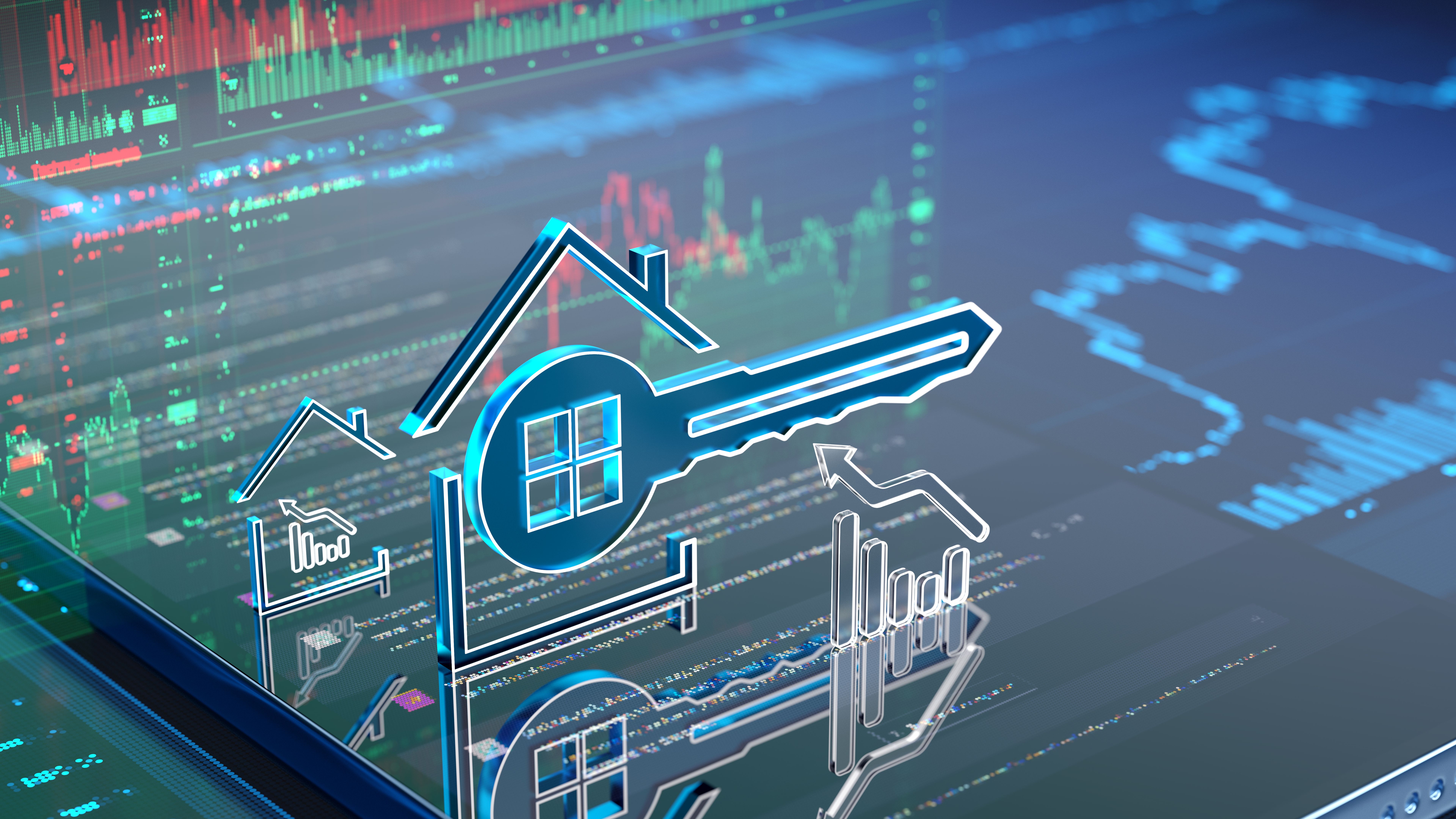
Data analytics is central to the digital transformation in real estate. By leveraging big data, investors can make informed decisions regarding property investments. Analyzing market trends, property values, and consumer behavior allows for more accurate forecasting and risk assessment.
Investors can utilize data visualization tools to interpret complex datasets easily. This enables a deeper understanding of market dynamics and helps in identifying lucrative investment opportunities.
Virtual and Augmented Reality
Virtual reality (VR) and augmented reality (AR) are transforming the way investors and clients interact with properties. These technologies allow for immersive property tours, offering a realistic feel of the space without physical presence. This can significantly reduce the time and cost associated with site visits.
Incorporating VR and AR can enhance the buying experience, making it more engaging and informative. For investors, this means attracting more potential buyers and closing deals faster.
Blockchain in Real Estate
Blockchain technology is introducing transparency and security to real estate transactions. By providing a decentralized ledger, blockchain ensures that all transactions are immutable and verifiable, reducing the risk of fraud.

Investors can benefit from blockchain by streamlining the buying process, reducing paperwork, and lowering transaction costs. Smart contracts, a feature of blockchain, can automate agreements, ensuring all parties fulfill their obligations efficiently.
Adapting to Change
For real estate investors, adapting to digital transformation means staying informed about emerging technologies and trends. Continuous learning and flexibility are essential to leverage these advancements effectively.
Investors should consider partnering with tech-savvy firms or hiring professionals who understand digital tools. This collaboration can facilitate a smoother transition and maximize the benefits of digital transformation.
In conclusion, digital transformation in real estate offers numerous opportunities for investors willing to embrace change. By leveraging data analytics, VR, blockchain, and other technologies, investors can enhance their strategies and drive success in a competitive market.